
The Evolution of Clothing Fashion: Trends Through the Ages

Historical Overview of Fashion
The history of clothing fashion is a rich tapestry woven through the threads of cultural identity, economic viability, and artistic expression. It traces back to ancient civilizations like Mesopotamia, Egypt, and Greece, where garments were often made from linen and wool, signifying social status and regional variations. In Egypt, for instance, the use of draped linen in elaborate tunics reflected both the climate and cultural beliefs, with the wealthy adorning themselves in embellished outfits that showcased their affluence.
As time progressed, the Middle Ages introduced layers of fabrics, with clothing becoming more intricate and symbolic of hierarchical structures. The garments of this era included long flowing gowns and tunics, often accented with fur trim for the noble class. The Renaissance further amplified this trend, with fantastical gowns characterized by rich colors, luxurious fabrics, and intricate embellishments, a clear testament to the period’s emphasis on humanism and artistic patronage. Prominent designers of the time, such as the Italian tailor Cesare Vecellio, played a significant role in defining fashion trends through their unique styles and creative designs.
With the dawn of the Industrial Revolution in the 18th century, a pivotal shift occurred in the world of clothing fashion. The rise of mechanized textile production and ready-to-wear clothing marked a move toward practicality over extravagance. This period witnessed more accessible fashion, allowing the general population to adopt styles that were once exclusive to the wealthy. The advent of sewing machines and synthetic dyes led to mass production, shaping new trends that emphasized comfort and functionality.
Significant social movements in the 20th century, such as the suffragette movement and the counterculture of the 1960s, spurred clothing innovations that echoed societal changes. Icons like Coco Chanel revolutionized women’s fashion by introducing more casual styles that emphasized both elegance and freedom of movement. Each of these historical transformations not only highlights the fluid nature of fashion but also sets the stage for understanding its continuous evolution through the ages.
The Role of Fashion in Society
Fashion serves as a significant marker of cultural values and social norms throughout history. The choices of clothing individuals make are often influenced by the prevailing cultural context, reflecting the ideals and aesthetics of a particular era. For instance, the flamboyant styles of the Baroque period showcased wealth and social status, while the pragmatic designs of wartime clothing illustrated practicality and resilience. Thus, clothing fashion acts as both a mirror and a mold of societal attitudes.
Psychologically, fashion plays a crucial role in self-expression and personal identity. Individuals often use clothing to communicate aspects of their personalities, beliefs, and lifestyles. The choice of outfits can convey messages about one’s social standing, professional role, or even political affiliation. For example, the rise of street fashion among youth subcultures demonstrates how clothing can articulate defiance against mainstream societal expectations. Moreover, within particular communities, certain styles may signify belonging and adherence to shared values.
The influence of various demographics on clothing choices further underscores the essential role of fashion. Gender has traditionally shaped the fashion spectrum, with distinct styles often corresponding to specific gender identities. Similarly, age demographics exert profound effects on fashion trends, as younger generations frequently adopt and adapt existing styles, creating evolving cycles of influence. Socioeconomic status also plays a crucial role, as individuals may prioritize specific brands or styles based on their financial capabilities and social aspirations.
In contemporary society, the impact of fashion influencers and celebrities in shaping consumer perceptions has become increasingly pronounced. Through social media platforms, these figures can sway public opinion, launch trends, and define standards of beauty and style. Their ability to set trends illustrates how fashion continually transforms, echoing the dynamic nature of human culture and societal values. The intersection of fashion with social identity is a testament to its enduring relevance and power in society.
Sustainable Fashion: The Future of Clothing
In recent years, the fashion industry has witnessed a significant shift towards sustainable and ethical practices, primarily influenced by the growing awareness of environmental and social issues associated with fast fashion. Fast fashion, characterized by rapid production cycles and low-cost garments, often leads to substantial waste, exploitation of labor, and harmful environmental impacts. In response, consumers are increasingly adopting conscious consumerism, a movement that encourages mindful purchasing decisions and prioritizes sustainability.
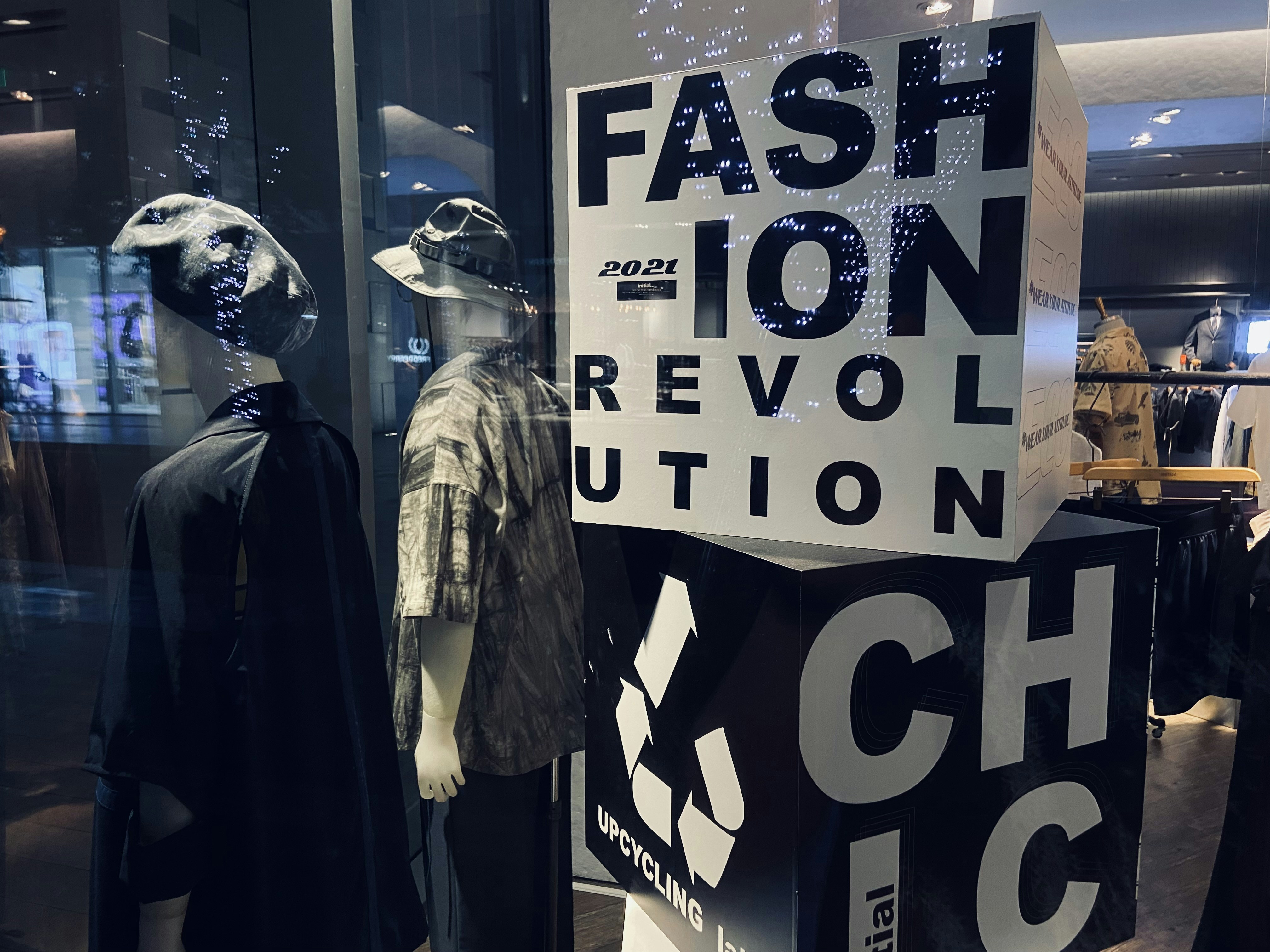
One of the key aspects of sustainable fashion is the practice of upcycling, where old or discarded clothing is transformed into new, usable pieces. This not only reduces waste but also fosters creativity and innovation within the industry. Additionally, the use of eco-friendly materials, such as organic cotton, Tencel, and recycled fabrics, plays a crucial role in minimizing the ecological footprint of clothing production. Brands that prioritize these materials often communicate their environmental commitments transparently, engaging consumers in the ongoing conversation about sustainability.
Furthermore, ethical labor practices are essential for a truly sustainable fashion model. Many leading brands are now emphasizing fair wages, safe working conditions, and respect for workers’ rights, positioning themselves as advocates for social justice in the industry. This alignment not only appeals to socially-conscious consumers but also fosters brand loyalty and enhances reputation.
As the sustainable fashion movement gains momentum, consumers can contribute to this positive change in various ways. Selecting garments from eco-friendly brands, opting for second-hand clothing, and supporting local artisans are just a few strategies. By prioritizing sustainable choices, individuals collectively drive the demand for responsible practices in the fashion industry. This evolution towards sustainable fashion presents an opportunity to redefine our relationship with clothing, ensuring that it is both environmentally and ethically sound.
The Digital Age: Fashion in a Technology-Driven World
The landscape of fashion has undergone a remarkable transformation in the digital age, driven predominantly by advancements in technology. Central to this shift is the rise of online shopping, which has revolutionized the way consumers access and purchase clothing. Traditional retail experiences no longer dominate the marketplace, as e-commerce platforms offer unparalleled convenience, enabling shoppers to browse vast collections from the comfort of their homes. As a result, fashion retailers are compelled to innovate continually, striving for seamless online experiences that include user-friendly interfaces, agile payment systems, and responsive customer service.
Moreover, social media has a profound impact on fashion trends and consumer behavior. Platforms such as Instagram, TikTok, and Pinterest allow users to share fashion inspiration instantaneously, creating trends that can emerge and fade within days. Influencers and content creators play a pivotal role in shaping perceptions of style and driving consumer engagement, leading to the phenomenon of ‘fast fashion’, where trends proliferate rapidly. The ability for brands to connect directly with their audience through these channels has democratized fashion, providing smaller labels and independent designers the opportunity to reach potential customers who are increasingly eager to explore new styles.
Alongside these changes, fashion technology has introduced innovations like virtual fitting rooms and 3D printing. Virtual fitting rooms allow consumers to try on clothes digitally, minimizing the uncertainty associated with online purchases and reducing return rates. Meanwhile, 3D printing technologies are reshaping product development, enabling designers to create custom pieces on-demand, thereby minimizing waste and responding quickly to trends. Looking ahead, technology’s role in fashion will likely expand further, with the adoption of augmented reality and artificial intelligence promising to further enhance design processes, inventory management, and consumer interactions. These advancements position the fashion industry at a unique crossroads, where tradition meets technology, offering unprecedented opportunities for creativity and engagement.